The containerized systems will be installed at Duke Energy’s e-GRID facility within the Clemson University Restoration Institute in North Charleston, an operational research environment designed to replicate utility-relevant grid conditions.
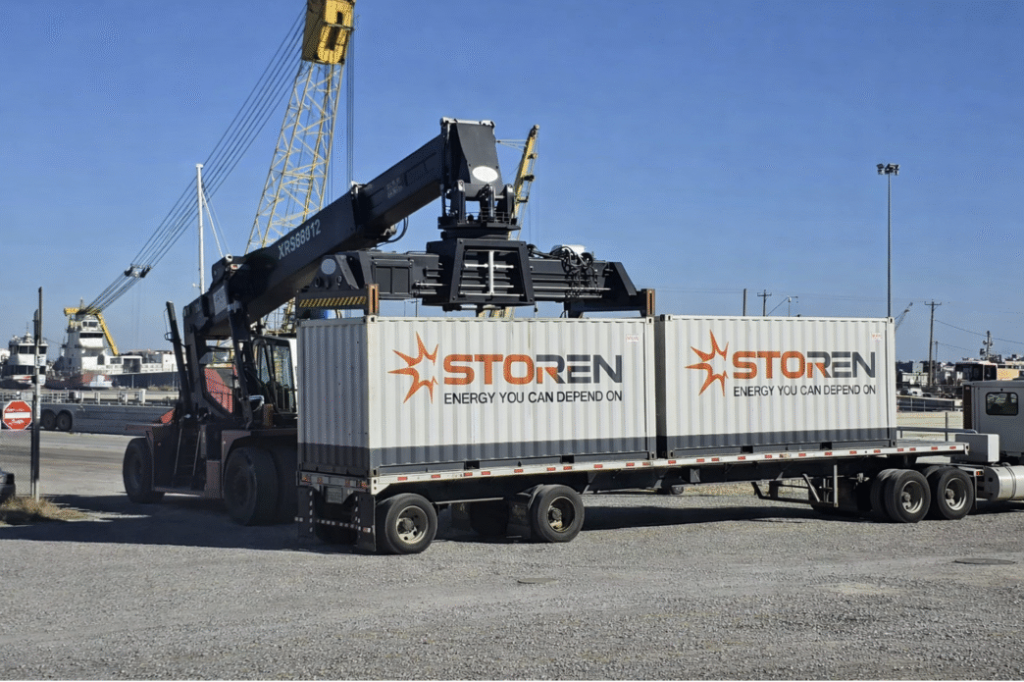
StorEn Technologies, Inc. has deployed two vanadium flow battery systems at Clemson University as part of a research collaboration focused on validating next-generation electric power systems and grid-scale energy storage.
The containerized systems will be installed at Duke Energy’s e-GRID facility within the Clemson University Restoration Institute in North Charleston, an operational research environment designed to replicate utility-relevant grid conditions.
Through integration with Clemson’s e-GRID infrastructure, the systems will enable researchers to evaluate the performance, grid interaction, and system-level behavior of advanced energy storage technologies under conditions representative of real-world power networks.
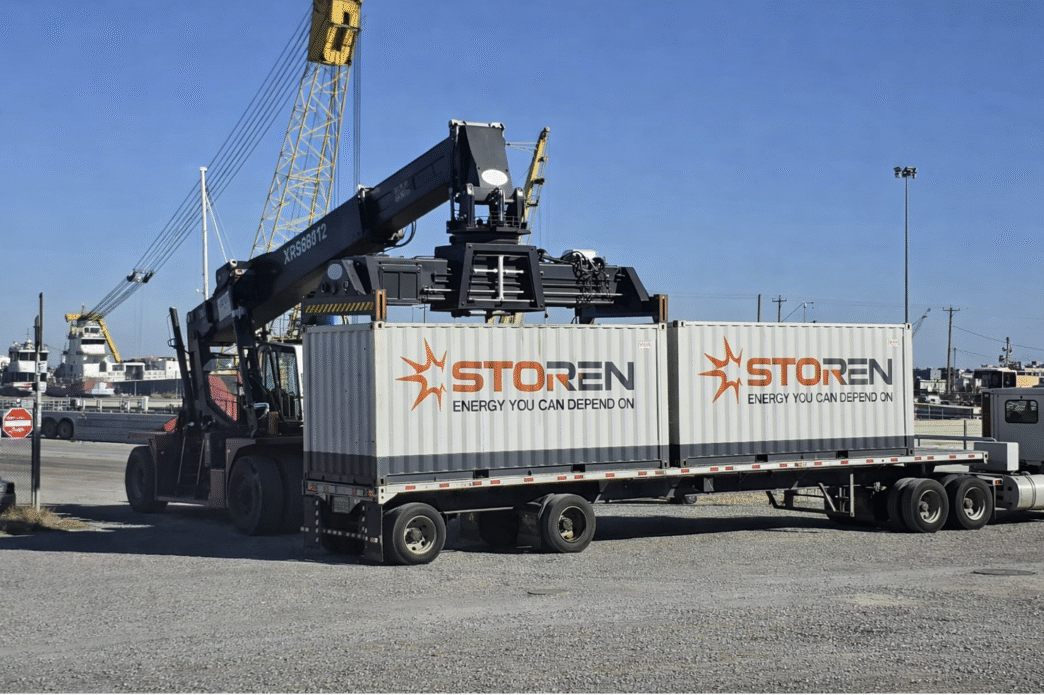
The collaboration includes the deployment of two containerized vanadium flow battery systems designed for long-duration, grid-scale applications. Data generated through this work will support performance validation, model verification, and applied research relevant to utilities and grid operators.
The deployment highlights the role of industry–university collaboration in advancing applied energy research while supporting workforce development aligned with emerging grid technologies.
“This collaboration with Clemson represents a strategic opportunity for StorEn,” said John Davis, board member and director of North American Operations at StorEn Technologies and a Clemson alumnus. “By deploying our technology in a grid-integrated research environment, we can evaluate system performance, strengthen relationships with industry partners and customers, and gain insights into how our solutions operate within advanced grid infrastructure.”
For Clemson, the collaboration provides access to utility-scale energy storage hardware that enhances research fidelity and data quality while expanding hands-on learning opportunities for students.
“These systems significantly expand the scope of what we can test and validate,” said Sez Atamturktur Russcher, Provost Distinguished Professor at Clemson. “Having grid-scale energy storage hardware on site allows us to verify models, collect high-quality data, and conduct research that closely reflects the operational challenges faced by utilities and industry partners.”
Ramtin Hadidi, associate professor of electrical and computer engineering, emphasized the broader impact of the systems across multiple research initiatives.
“Energy storage is a foundational component of modern power systems,” Hadidi said. “This collaboration enables us to evaluate how batteries—particularly long-duration technologies such as vanadium flow batteries—interact with the grid at both the system and device levels, supporting more accurate research outcomes and providing students with hands-on experience using industry-relevant technology.”