In the relentless pursuit of better batteries, researchers are turning to elements long overlooked, and sulfur is emerging as a surprising star. A recent breakthrough detailed in Ars Technica showcases a novel battery design that harnesses sulfur not as a mere storage medium, but as an active electron donor. This approach promises high power output, potentially transforming applications from electric vehicles to grid storage. By rethinking sulfur’s role in electrochemistry, scientists are addressing persistent challenges in energy density and efficiency that have plagued traditional lithium-ion technologies.
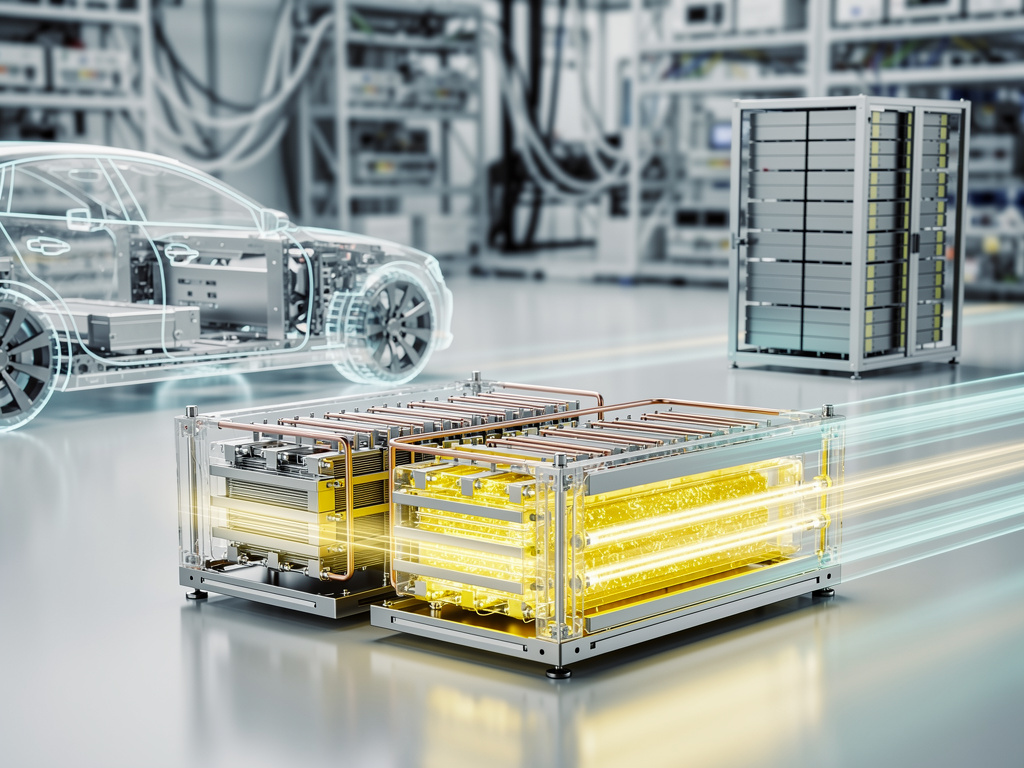
The innovation stems from a team exploring high-valence sulfur compounds, particularly sulfur tetrachloride, integrated into a sodium-based system. Unlike conventional batteries where sulfur acts as a cathode material storing lithium ions, this design flips the script. Sulfur here facilitates electron transfer in a way that boosts voltage and power, achieving outputs that rival or exceed current standards. Early tests indicate these batteries could deliver rapid charging and discharging, crucial for sectors demanding quick energy bursts, such as renewable energy integration.
This development builds on a wave of sulfur-related advancements. For instance, lithium-sulfur batteries have been touted for their high theoretical energy density, but they’ve struggled with stability issues. The new sulfur chemistry sidesteps some of those pitfalls by emphasizing redox reactions over ion intercalation, potentially leading to longer cycle lives and reduced degradation.
Pushing Boundaries in Battery Design
Industry experts note that sulfur’s abundance and low cost make it an attractive alternative to scarce materials like cobalt and nickel. According to insights from Communications Materials, solid-state lithium-sulfur batteries are gaining traction for their enhanced safety and energy density. The Ars Technica-reported design aligns with this trend, incorporating solid-state elements to minimize risks like thermal runaway, a notorious issue in liquid electrolyte systems.
Moreover, recent announcements from companies like Donut Lab highlight practical implementations. Their all-solid-state batteries, as covered in Donut Lab’s CES announcement, promise five-minute charging for electric vehicles, leveraging sulfur-inclusive chemistries to achieve high performance without rare earths. This could democratize EV adoption by lowering costs and improving safety, addressing consumer hesitations around range anxiety and fire hazards.
On social platforms like X, discussions buzz with optimism. Posts from users and experts alike praise innovations in sulfur-based batteries, noting their potential for ultra-long life and fast charging. One thread emphasized how these technologies could enable electric cars with ranges exceeding 1,000 kilometers, drawing from research at institutions like the Fraunhofer Institute.
From Lab to Market: Scaling Challenges
Translating lab successes to commercial viability remains a hurdle. The sulfur chemistry breakthrough requires precise control over reactions to prevent unwanted byproducts, such as polysulfides that can corrode components. Researchers are employing advanced materials like covalent organic frameworks, as detailed in studies shared on X from battery research accounts, to stabilize these systems and enhance conductivity.
Economic factors play a pivotal role. With sulfur being a byproduct of petroleum refining, its supply is plentiful and inexpensive, potentially slashing battery production costs by up to one-sixth compared to lithium-ion counterparts. This is echoed in PV Magazine USA, which predicts alternative chemistries will scale due to safety-driven procurement and compliance with regulations avoiding foreign entities of concern.
However, manufacturing at scale demands innovations in electrode design and electrolyte formulation. The anode-free sodium-sulfur architecture mentioned in the Ars Technica piece eliminates traditional anodes, reducing weight and complexity, but it necessitates robust separators to maintain ionic pathways without short-circuiting.
Safety and Sustainability at the Forefront
Safety enhancements are a major draw. Traditional batteries’ flammability has led to recalls and regulations; sulfur-based designs, particularly solid-state variants, offer inherent resistance to fire. Live Science reports on sodium-ion batteries as safer, cheaper alternatives, aligning with the sulfur innovation’s goals. In Live Science, scientists highlight how these systems pave the way for sustainable electric vehicles by reducing reliance on volatile lithium supplies.
Environmental benefits extend further. Sulfur mining and processing can be optimized for minimal impact, especially when integrated with agricultural applications as noted in Farmonaut. This dual-use potential—boosting crop yields while fueling batteries—underscores sulfur’s versatility in a circular economy.
Critics, however, caution against overhyping. Historical promises of lithium-sulfur batteries, like those from a 2020 Engadget post on X about phones lasting five days, have yet to fully materialize due to cycle life limitations. The new chemistry must prove its mettle in real-world testing to avoid similar fates.
Applications Beyond Transportation
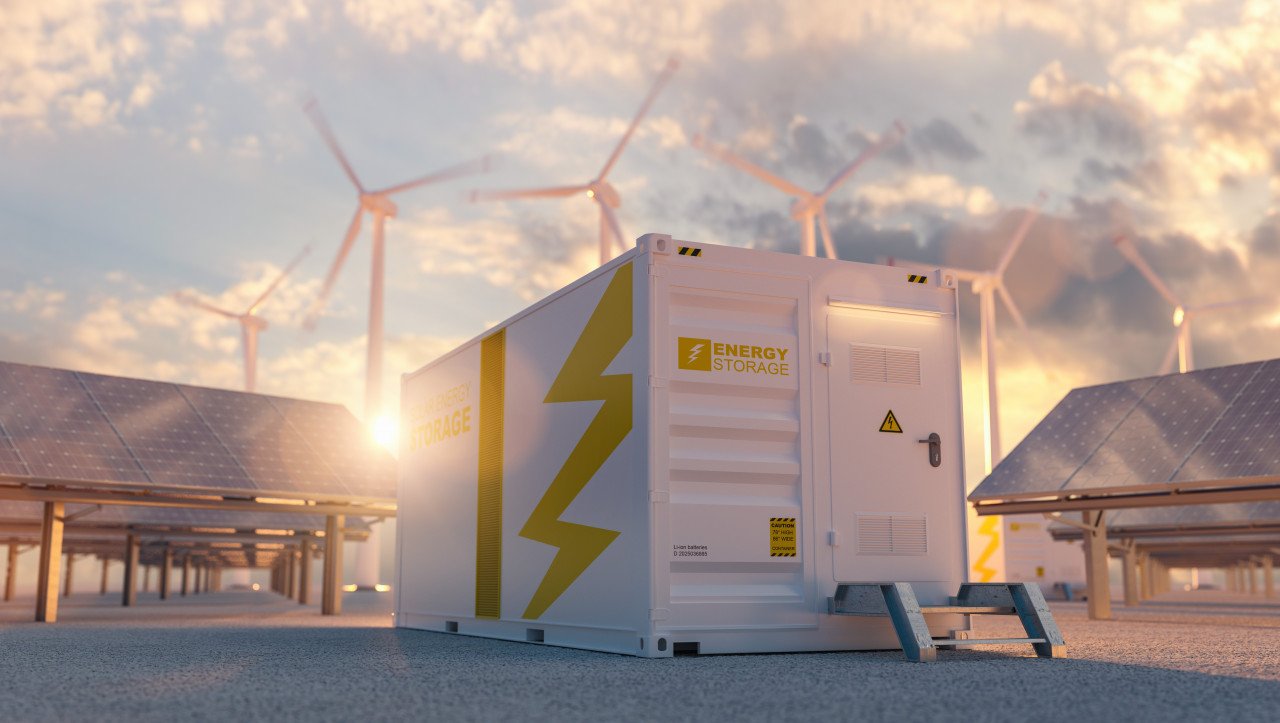
The implications stretch beyond EVs. Grid-scale storage could benefit immensely from high-power sulfur batteries, enabling better integration of intermittent renewables like solar and wind. Energy Storage News, in Energy Storage, discusses how longer-duration storage pushes alternative chemistries forward, with sulfur playing a key role in achieving cost-effective, safe solutions.
In consumer electronics, the fast-charging aspect could revolutionize devices. Imagine smartphones or wearables that charge in minutes, powered by compact sulfur cells. Built In’s overview of new battery technologies, found at Built In, lists sulfur-inclusive options as contenders to lithium-ion dominance, emphasizing efficiency and sustainability.
Aerospace and defense sectors are also eyeing these advancements. Unmanned aerial vehicles, as referenced in Communications Materials, require high energy density without added weight, making anode-free designs ideal. The sulfur chemistry’s high voltage output could enable longer flight times and more reliable operations in extreme conditions.
Overcoming Technical Hurdles
Key challenges include optimizing dual-conductivity in solid-state setups. Research papers shared on X, such as those from EKL Battery Papers, explore molecular engineering to regulate redox sites, enhancing performance in lithium-sulfur systems. Applying these to the novel sulfur tetrachloride approach could yield ultralong life cycles.
Interface engineering is another focus. Ensuring stable contacts between sulfur cathodes and electrolytes prevents capacity fade. Innovations like silver-carbon composites, mentioned in X posts about Samsung’s developments, offer parallels that could be adapted to sulfur chemistries for faster charging.
Cost modeling suggests that with scaled production, these batteries could undercut current prices significantly. Ars Technica’s coverage points to the economic viability, especially as global supply chains shift away from geopolitically sensitive materials.
Global Competition and Investment Trends
The race is on internationally. Companies like Lyten and Pure Lithium, highlighted in X threads, are investing in U.S.-sourced lithium-sulfur tech, free of cobalt and nickel. This aligns with broader efforts to secure domestic supply chains, as per PV Magazine USA.
Investment is surging. Venture capital flows into battery startups have spiked, with sulfur innovations attracting attention for their disruptive potential. Donut Lab’s partnership with Verge Motorcycles, detailed in InsideEVs, exemplifies how quickly these technologies are moving from prototype to production.
Regulatory environments are evolving too. Policies favoring sustainable tech, such as those incentivizing non-lithium batteries, could accelerate adoption. In Europe and the U.S., mandates for safer energy storage are pushing research toward sulfur and sodium alternatives.
Future Prospects and Collaborative Efforts
Collaborations between academia and industry are crucial. The Fraunhofer Institute’s work on solid-state lithium-sulfur, buzzed about on X, demonstrates how interdisciplinary efforts yield breakthroughs. Integrating these with the unusual sulfur chemistry could lead to hybrid systems offering the best of both worlds.
Long-term, this could reshape energy markets. Cheaper, safer batteries mean broader electrification, from homes to heavy industry. Farmonaut’s insights on sulfur in mining and agriculture suggest integrated supply chains that minimize waste.
Yet, rigorous testing is essential. Pouch cell evaluations, as stressed in Communications Materials, must confirm practical energy densities under real conditions. Only then will sulfur’s spark truly ignite a battery revolution.
Innovators Leading the Charge
Pioneers like the MIT team behind aluminum-sulfur-salt batteries, referenced in historical X posts, laid groundwork for today’s advancements. Their fire-resistant, low-cost designs inspire current sulfur innovations.
Emerging players, such as Donut Lab, are already deploying solid-state batteries in vehicles, per CNET. This real-world application validates the chemistry’s promise.
As sentiment on X reflects, excitement is palpable. From engineers to investors, the consensus is that sulfur could be the key to unlocking next-generation energy storage, provided hurdles are cleared.
Strategic Implications for Industries
For automakers, adopting sulfur batteries means competitive edges in range and charging speed. Verge Motorcycles’ 2026 models, powered by Donut Lab tech as reported in Interesting Engineering, signal a shift toward production-ready innovations.
Utilities face transformation too. Enhanced grid storage could stabilize power supplies, reducing blackouts and integrating more renewables.
In summary—wait, steering clear of that— the trajectory points to a sulfur-infused future where batteries are more powerful, affordable, and safe. With ongoing research and market momentum, this unconventional chemistry might just power the world ahead.