The Transition Finance Council has released a new roadmap calling for tens of billions of pounds to be invested in long duration energy storage to support net zero and AI deployment.
The roadmap argues that coordinated action from government, regulators and industry is needed to unlock large-scale private investment. It positions long duration energy storage as critical to a stable and decarbonised electricity system.
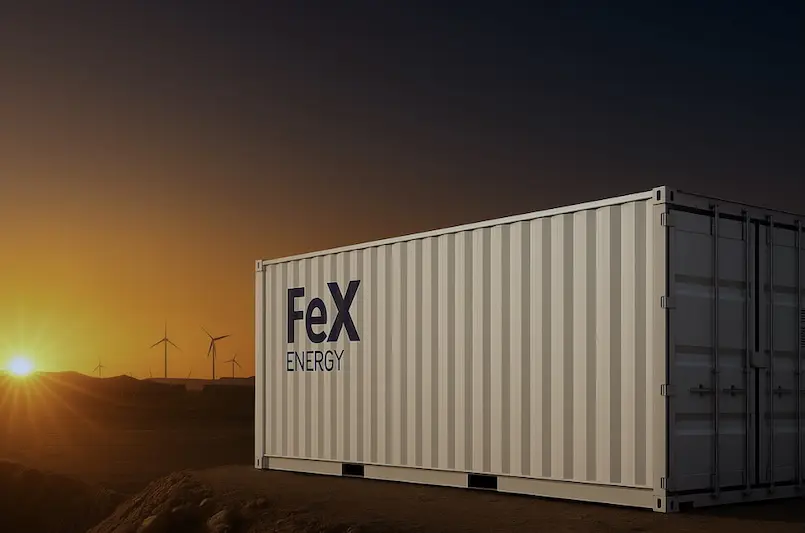
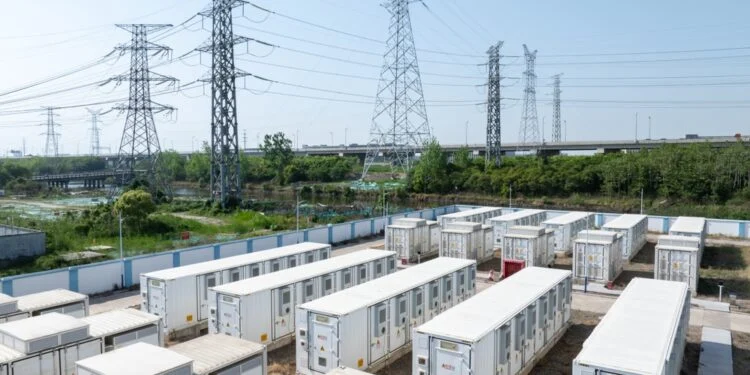
Long duration energy storage includes technologies such as large-scale batteries and pumped-hydro storage capable of discharging energy for 8 hours or longer. These systems allow surplus renewable power to be stored and released during periods of low generation.
The report highlights the role of LDES in meeting the UK’s growing electricity demand, including that driven by artificial intelligence. It also states that scaling the technology could reduce system costs, cut emissions and lower consumer bills.
According to the roadmap, £10–15 billion of investment is required by 2030. A further £30–60 billion will be needed through to 2050 to meet government energy and infrastructure targets.
The council warns that existing market mechanisms are insufficient to deliver this level of investment. It calls for government-backed revenue parity or a minimum revenue floor to improve bankability and attract private capital.
The roadmap also urges greater involvement from the National Wealth Fund and increased use of concessionary and catalytic capital. Insurers and investors are encouraged to build expertise in assessing LDES risk and returns.
“Developing long duration energy storage at scale is going to be vital in helping the UK transition to a decarbonised and stable energy supply system,” said Lord Alok Sharma, Chair of the Transition Finance Council.
Chris Skidmore said: “Long duration energy storage is the key that can unlock the true potential of the clean energy revolution in the UK.”
Irem Yerdelen added: “Long-duration energy storage is no longer a future ambition—it is a present-day necessity if we are serious about delivering secure, affordable, and clean power systems.”