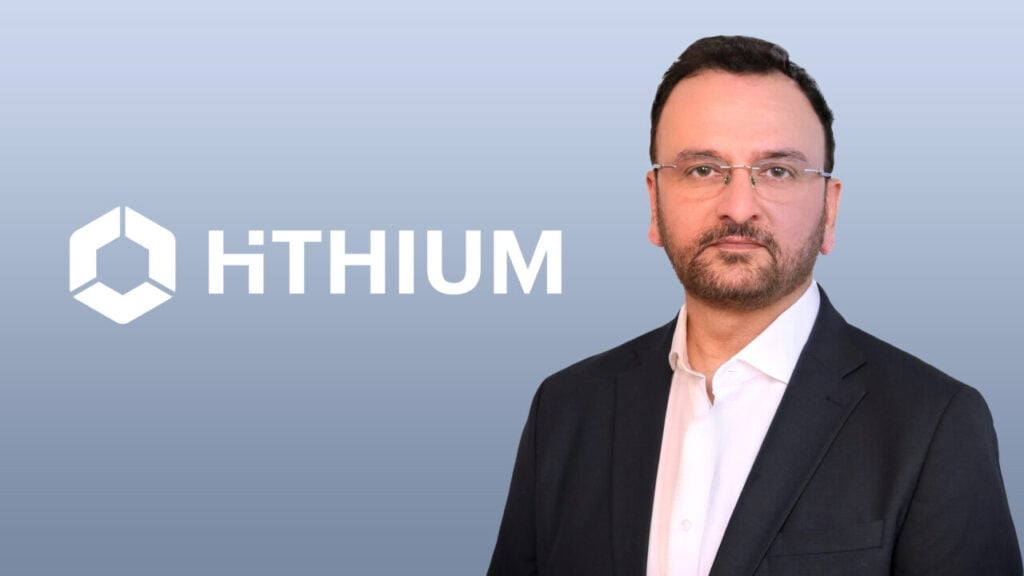
Shubhra Thakur, the Director – Policy and Markets, Asia- Pacific and Country Director- India at LDES Council, has elaborately explained the critical contribution of long-duration energy storage (LDES) systems for making a seamless availability of renewable electricity for the aluminium production process. Shubhra Thakur has championed transformative solutions at the intersection of energy, health and social equity and crafted trailblazing policy frameworks that advance gender-responsive climate action and universal energy access. She is an Executive MBA graduate in Strategy and Marketing from Delhi University and a recipient of the prestigious Goldman Sachs 10,000 Women scholarship.
Previously, Shubhra headed Corporate Affairs at ReNew and led Policy and Government Affairs at various global health sector organisations. She consulted the Election Commission of India in developing strategies for the Voter Education Program (SVEEP), and also worked with the Press Information Bureau of India, where she managed Press Operations for the Commonwealth Games 2010 in New Delhi.

AL Circle: Aluminium smelting is one of the most electricity-intensive industrial processes. How do you see long-duration energy storage (LDES) reshaping power cost stability for primary aluminium producers?
Shubhra Thakur: Primary aluminium smelting consumes a very high share of electricity. Roughly 70 to 90 per cent of total smelting energy goes into powering the electrolytic reduction process. And this makes electricity one of the biggest cost drivers in the production of aluminium. Here’s where long-duration energy storage (LDES) comes into play, reshaping cost stability by storing abundant, low-cost renewable power when generation exceeds demand and providing it during peak price periods or when continuous industrial power is required. For the aluminium industry in particular, integrating LDES reduces exposure to volatile fossil-fuel-linked electricity prices while enabling lower and more predictable delivered power costs, strengthening the long-term competitiveness of energy-intensive operations.
AL Circle: Can LDES realistically enable higher renewable penetration for metals like aluminium without compromising smelter uptime or power quality?
Shubhra Thakur: Yes, absolutely. Even small aberrations in power quality can disrupt cells in a smelter, which is an inherent vulnerability in the production process. When the electricity supply is not constant or falls below a quality level, smelter cells face big operational risks, often resulting in costly production losses. LDES plays a critical role here, providing continuous, reliable power, which is essential for this kind of industrial process. LDES technologies deliver flexibility over multi-hour to multi-day to multi-season periods, enabling renewables like wind and solar to supply high-uptime industrial loads without frequent outages. The LDES Council analysis highlights that LDES can firm electricity at scale while cost-effectively addressing intermittency challenges. This makes high renewable energy penetration technically feasible without sacrificing uptime or quality.
AL Circle: From a Director’s perspective, what is the biggest misconception metals producers have today about the commercial readiness of LDES technologies?
Shubhra Thakur: The biggest misconception is that LDES is too nascent currently for industrial usage. There are two key reports the LDES Council has come up with to refer to this.
One is the LDES Council Annual Report 2024 that gives not only market readiness and deployment details of LDES technologies worldwide but also draws on use cases of long-duration energy storage as a strong enabler of industrial decarbonisation, the aluminium sector included.
Another set of analysis is presented in the LDES Council Net Zero Heat Report that shows multiple long-duration and thermal energy storage technologies are economically viable and being deployed commercially, especially in applications where heat or round-the-clock power is required. The benchmarks here suggest industrial applications, including heat storage for industrial steam, can be profitable today and improve further as costs decline with scale.
AL Circle: How should power purchase agreements for aluminium and other metals evolve to incorporate long-duration storage rather than relying solely on firm thermal power?
Shubhra Thakur: Firm, reliable power has become a critical requirement not only for grid stability but also for energy-intensive industrial processes such as aluminium smelting, which demand a continuous, round-the-clock electricity supply. To maintain operational efficiency and performance, smelters require power procurement arrangements through power purchase agreements (PPAs) that guarantee availability at all hours of the day.
According to the Bureau of Energy Efficiency, Ministry of Power, Government of India, aluminium smelting in India typically consumes around ~14,361 kWh per tonne of aluminium. This represents a large, continuous power load requirement- one that stands to benefit significantly from firm renewable supply enabled through advanced power purchase agreement (PPA) structures.
For this to happen, PPAs need to evolve beyond conventional renewable contracts toward 24×7 clean energy agreements that explicitly bundle renewable generation with long-duration energy storage (LDES), rather than relying on fossil based peaking plants for firming requirements. Such contracts would guarantee round-the-clock renewable power by using LDES as the bridge during variable generation and ensure reliable power is available whenever needed, for energy-intensive processes like aluminium smelting.
AL Circle: Energy price volatility has been a key driver of smelter curtailments globally. Where can LDES make the fastest impact in reducing this risk?
Shubhra Thakur: Power price volatility is often linked to fuel-dependent generation, fluctuations in renewable output and sudden spikes in demand. So, by storing surplus clean energy and dispatching it during high-price periods, LDES can effectively hedge against volatility and reduce exposure to expensive spot markets. LDES provides a buffer against uncertain supply, and the LDES Council scenario modelling shows that significant storage capacity would decrease reliance on fossil load-following resources. This, in turn, helps shield aluminium smelters from price shocks arising from evolving geopolitical risks, fuel market disruptions and uncertain trade tariffs. Ultimately, a stable and predictable power supply enabled by LDES is not just a cost advantage; it is critical to long-term competitiveness and operational sustainability for energy-intensive industries.
AL Circle: Do you see LDES becoming a prerequisite for low-carbon aluminium certification like CBAM over the next decade?
Shubhra Thakur: Aluminium smelting’s high electricity intensity means emissions are largely tied to the power mix. According to World Economic Forum data from 2023, nearly 70 per cent of emissions from aluminium smelting arise from electricity consumption, underscoring the continued global reliance on carbon-intensive power sources – not only in India, but worldwide.
Evolving policies like the EU’s Carbon Border Adjustment Mechanism (CBAM) stand to increasingly value clean energy use and that would mean cutting down on fossil usage.
In this situation, LDES can enable a more precise matching of power demand with clean energy supply. This strengthens the credibility of low-carbon aluminium claims, supports compliance with emerging carbon regulations and helps producers mitigate the cost impact of carbon pricing and trade-related mechanisms under CBAM.
AL Circle: What regions or power markets are currently best positioned to integrate LDES alongside aluminium production and why?
Shubhra Thakur: Markets with strong renewable energy potential and penetration are among the most promising candidates for large-scale deployment of LDES. Regions that understand the need and value of flexibility and resilience, are rapidly adding renewable capacity and moving to clean industrialization are best positioned to benefit from the various capabilities and services LDES offers.
In India, the aluminium sector is planning significant clean energy integration, with the potential addition of 18–20 gigawatts of solar and wind capacity by 2030 to power smelters, alongside investments in storage. This creates a strong case for aluminium producers to strategically deploy LDES to firm renewable power, manage multi-hour and multi-day variability, stabilise electricity costs, and ensure uninterrupted smelter operations. Beyond reliability, LDES can provide peak management, backup capacity during grid stress events, and support round the clock clean/ carbon-free power. Across Europe and in parts of APAC primarily, Australia, market designs are increasingly evolving to explicitly value firming and flexibility. These regions benefit from abundant renewable deployment, rising industrial demand for firm clean electricity and emerging policy support for storage technologies. In Australia, several state-level market mechanisms now go beyond simply encouraging renewable deployment to emphasising system flexibility and integration of storage as both a backup and a primary power resource.
India could follow a similar trajectory, drawing lessons from these markets to develop policy frameworks that enable renewables and LDES to work together, unlocking the full potential of LDES for the aluminium industry.
AL Circle: Looking ahead to 2030, will access to long-duration storage become a competitive differentiator for aluminium and other energy-intensive metals?
Shubhra Thakur: In any scenario, cost-competitive, low-carbon metal producers will stand out from the rest. Recent cost benchmarking by the LDES Council underscores this advantage, showing that multiple LDES technology families are on clear cost-reduction trajectories through to 2030. For example, thermal energy storage of 20 MWth for 20 hrs discharge capacity shows projected costs falling to USD 20–82 per Kilowatt-hour thermal (kWhth) by 2030. These declining cost curves of technologies, particularly relevant for alumina refining and industrial heat processes, significantly reinforce the role of LDES and thermal storage technologies in industrial decarbonisation pathways.
Producers that secure access to firm, low-carbon power enabled by LDES will enjoy reduced electricity cost risk, improved carbon performance and stronger compliance with emerging export regulations such as the Carbon Border Adjustment Mechanism (CBAM). As cost trajectories continue to improve over the remainder of the decade, wider access to LDES for industrial power and heat could become a decisive cost and competitiveness differentiator for energy-intensive metal industries like aluminium.