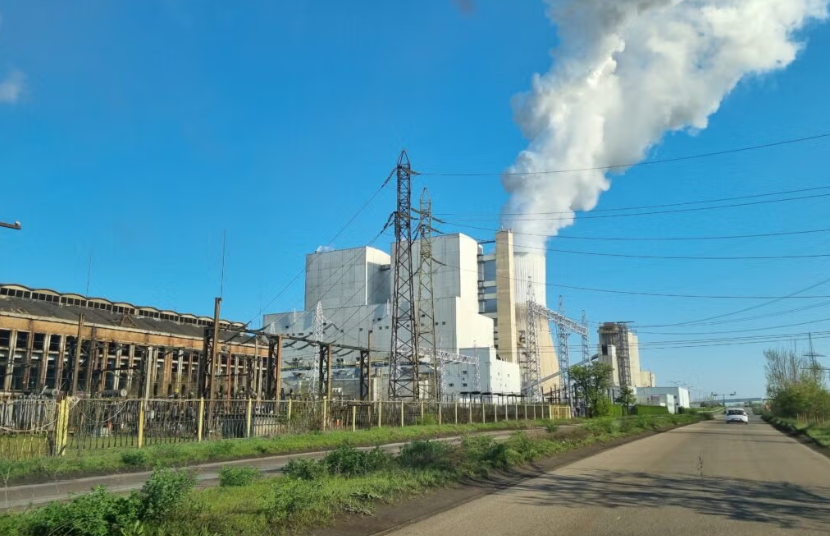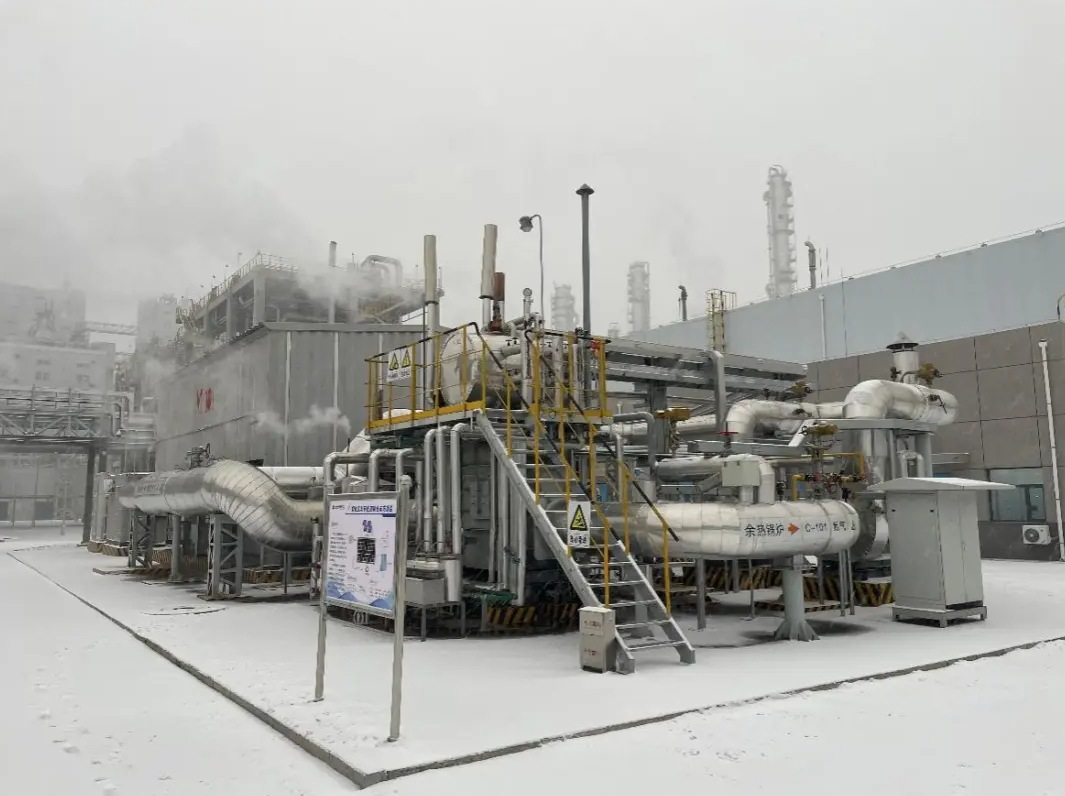
China Energy Investment Corporation (CHN Energy) has achieved a major milestone in ultra-high-temperature thermal energy storage technology. The company recently announced that its 2MW/10MWh carbon-based solid thermal energy storage system has reached a maximum operating temperature of 1005°C, marking a significant advancement in both performance and cost reduction.
The latest tests were conducted by CHN Energy’s Low Carbon Institute in cooperation with Yulin Chemical at the Yulin Coal Chemical and Renewable Energy Coupling Demonstration Base in Shaanxi province. The system, independently developed by the institute, previously achieved stable operation at 900°C.
By raising the operating temperature above 1000°C while maintaining the same system structure, the team increased the thermal storage density by 29%, with the overall system cost expected to fall by more than 20%.
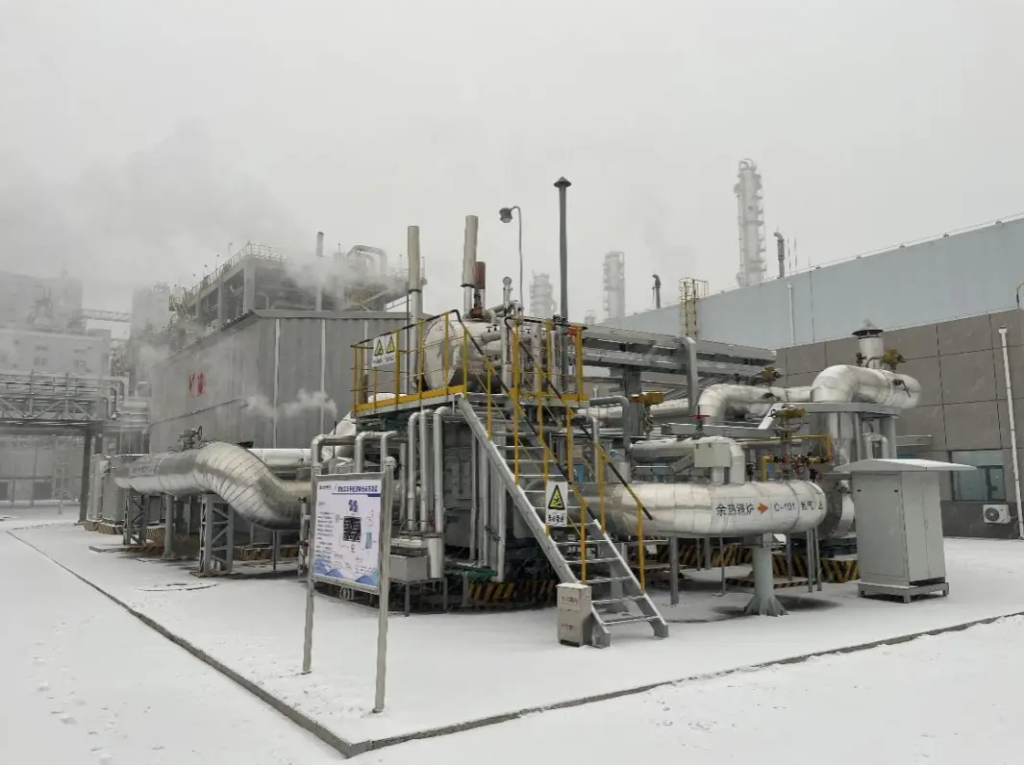
According to the research team, increasing operating temperature is a key pathway to improving the economics of solid thermal energy storage. To achieve the higher temperature target, engineers optimized several critical components, including temperature uniformity of the storage materials, overheating control of heating elements, and the insulation structure design.
During the latest trial, the system successfully completed more than 168 hours of stable cyclic operation at around 1000°C, demonstrating the feasibility of long-duration ultra-high-temperature operation and providing important data for future cost optimization.
CHN Energy said the temperature breakthrough represents an important step in the development of carbon-based solid thermal storage technology. The next phase will focus on further cost-reduction technologies and long-term reliability testing.
The technology is expected to support a range of applications, including flexibility retrofits for coal-fired power plants, clean heating in mining regions, and integrated energy systems that couple coal-chemical processes with renewable energy.