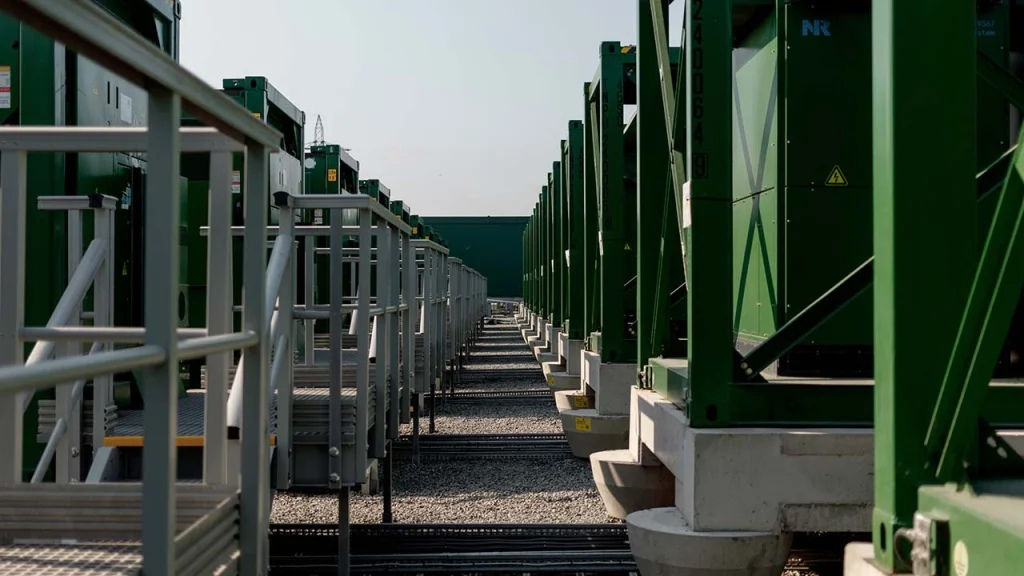
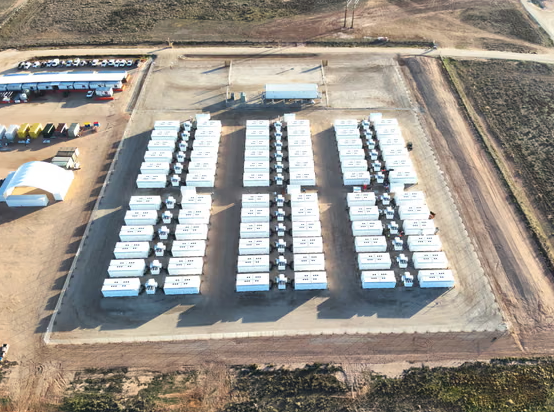
A new player has entered Australia’s long-duration energy storage (LDES) market with ambitions to deploy vanadium redox flow battery (VRFB) systems across mining operations, data centres and regional infrastructure.
Sydney-based Eora Energy officially launched today (2 April) and is positioning itself as a challenger in a market segment that has gained significant momentum in Australia, exemplified by Western Australia’s “landmark” 500MWh vanadium flow battery procurement initiative late last year.
The company takes its name from the word meaning “here” or “from this place” in the language of the Aboriginal peoples of the Sydney region.
Eora’s CEO and co-founder, James Costello, said the firm is building a platform focused on practical commercial outcomes, particularly in sectors where diesel dependence remains high, and grid constraints are intensifying.
Eora Energy targets data centres and mining
Eora Energy’s strategy centres on two primary markets where long-duration storage offers distinct advantages over lithium-ion alternatives.
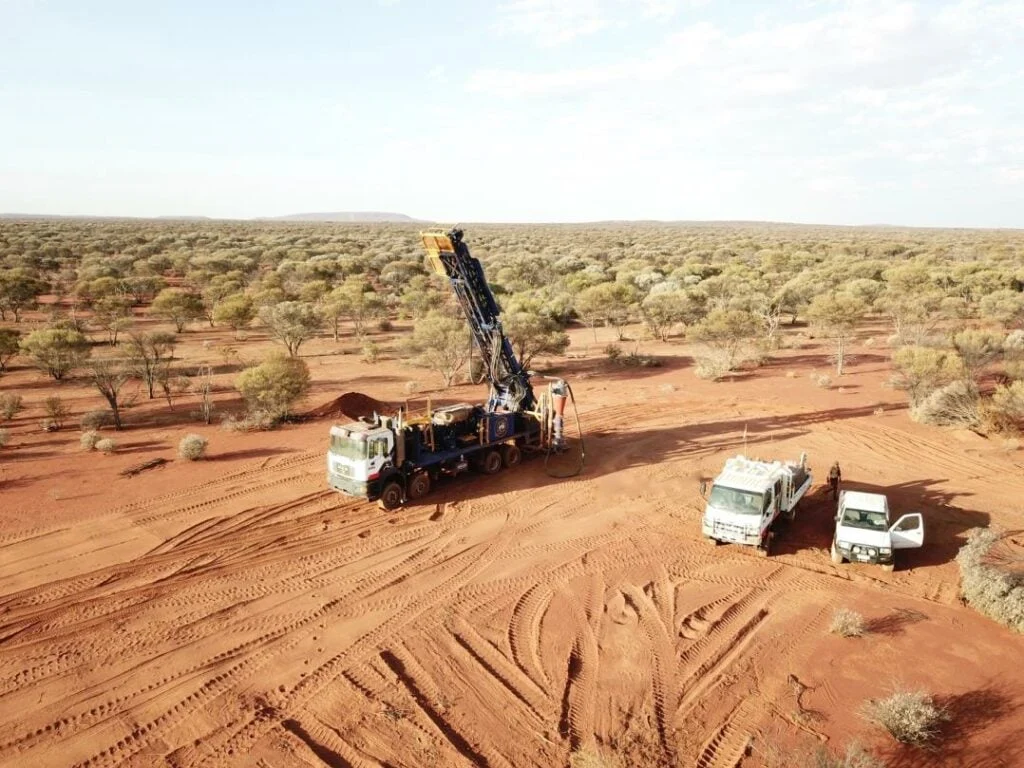
In the mining sector, the company is targeting operations that rely heavily on diesel generation, where volatile fuel costs and carbon pressures are creating demand for alternatives.
Remote mining sites across Australia face complex logistics and high operational costs associated with diesel supply, making integrated storage systems an increasingly attractive proposition for reducing fuel consumption while improving reliability.
The company is also engaging with data centre operators as Australia’s digital infrastructure expansion places unprecedented strain on grid capacity.
Hyperscale facilities now require energy equivalent to tens of thousands of homes, creating urgent demand for firming solutions that can stabilise supply without compromising performance.
In our latest op-ed from system integrator Fluence, Jeff Monday, SVP & chief growth officer, noted that Australia can transform its data centre boom from a grid constraint into a growth opportunity by using battery storage systems to smooth power demand.
Costello emphasised that vanadium flow batteries provide firming capability suited to applications where duration, safety and lifecycle cost outweigh the need for short-term power output.
“We are building a platform that delivers practical, commercial outcomes by reducing diesel, stabilising energy supply and creating long-term infrastructure for Australia,” Costello said.
“We are actively working with several government agencies, industry partners and regional stakeholders to accelerate pilot projects and unlock funding pathways.”
Eora’s business model combines global battery technology partnerships with what it describes as a locally anchored deployment and manufacturing strategy, aligned with national priorities including sovereign capability and regional development.
Costello argued that Australia stands at the threshold of an energy transformation driven not by lithium but by vanadium.
He pointed to the fundamental differences between lithium-ion batteries, optimised for short bursts of energy and subject to degradation over time, and VRFB systems designed for durability and long-duration storage.
Vanadium flow batteries can operate for more than 20 years without degradation, making them suited to critical infrastructure and industrial applications where longevity and safety are paramount.
Australia’s vanadium advantage
Australia holds some of the world’s largest vanadium reserves, positioning the country uniquely to capture value across the entire VRFB supply chain.
The nation’s vanadium resources are primarily found in Western Australia, Queensland and the Northern Territory, with several projects at various stages of development. This domestic resource base presents an opportunity to establish a vertically integrated industry, from mining and processing through to battery manufacturing and deployment.
Costello said that this resource endowment creates a sovereign manufacturing opportunity that extends beyond raw material extraction.
By developing local capability for vanadium battery production, Australia could move up the value chain to produce advanced energy infrastructure rather than simply exporting raw materials.
This approach aligns with broader national policy objectives around critical minerals processing and advanced manufacturing, particularly as global supply chains face increasing scrutiny and countries seek to secure domestic sources of energy storage technology.
It is worth noting that Vecco Group, an integrated Australian critical minerals mining and manufacturing business, recently confirmed on LinkedIn that its vanadium electrolyte factory in Townsville, Queensland, is on course to be delivered and begin mass production later this year.
The Townsville operation is part of a complete vertical supply chain that Vecco is developing across Queensland.
The process begins with vanadium extraction from Vecco’s Julia Creek mine in Queensland’s northwest minerals province, followed by high-purity vanadium refining, electrolyte manufacturing in Townsville, and ultimately complete vanadium flow battery assembly at the planned commercial facility.
Vecco’s plant is being developed with support from Japanese corporations Idemitsu Australia and Sumitomo Electric Industries.
The convergence of abundant vanadium resources, growing demand for long-duration storage, and policy support for sovereign capability creates, in the view of proponents, favourable conditions for the development of the VRFB industry in Australia.
Costello characterised the opportunity as clear: reduce diesel dependence, stabilise the grid and establish Australia as a global leader in long-duration energy storage, with the question now being whether the country is ready to back the technologies that can deliver it.
Costello stated that Australia stands at the threshold of an energy transformation driven not by lithium but by vanadium.
He pointed to the fundamental differences between lithium-ion batteries, optimised for short bursts of energy and subject to degradation over time, and VRFB systems designed for durability and long-duration storage.
Vanadium flow batteries can operate for more than 20 years without degradation, making them suited to critical infrastructure and industrial applications where longevity and safety are paramount.
Eora Energy’s platform draws on what the company describes as 40 years of Australian innovation via the University of New South Wales, combined with global manufacturing capabilities and deep research and development through an international partner network.
The company is currently advancing opportunities in the mining sector and engaging with data centre operators. However, specific project details, timelines and capacity targets were not disclosed in the launch announcement.
Eora confirmed it is working to accelerate pilot projects and unlock funding pathways.