The University of Manchester is set to head a major UK-wide storage project focused on developing GPStore, an innovative long‑duration energy storage system designed to support the nation’s shift towards net zero.
The initiative, led by Professor Yasser Mahmoudi Larimi, has secured a £3 million EPSRC Critical Mass Programme Grant and unites specialists from The University of Manchester, the University of Birmingham, the University of Liverpool, Cranfield University and Imperial College London.
As renewable generation grows, the UK faces a persistent challenge: storing surplus electricity produced during sunny or windy periods so it can be used when demand increases or weather conditions change. GPStore aims to provide a first-of-its-kind solution capable of holding clean energy for extended periods – from hours to entire seasons – far beyond the capabilities of today’s mainstream technologies.
Professor Mahmoudi Larimi said, “This award represents a major step forward for UK energy innovation. GPStore addresses some of the most persistent barriers to long-duration storage – cost, scalability and environmental sustainability – and has the potential to unlock widespread renewable-energy integration across the UK and globally.”
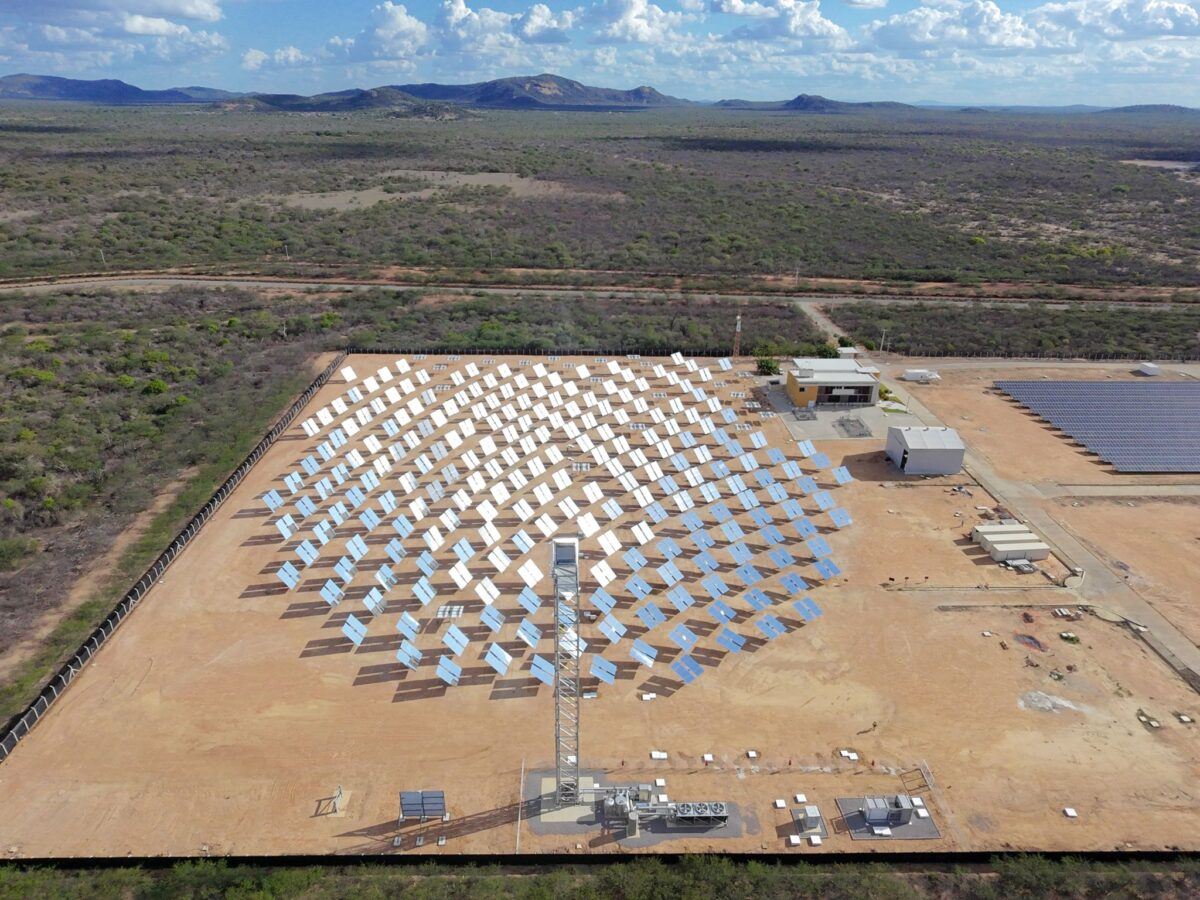
Current options such as pumped hydro, compressed air and flow batteries offer shorter-duration storage but often come with geographical limits, high costs or complex engineering. The GPStore storage project takes a different route by converting excess renewable electricity into high‑temperature heat stored in solid particles inside insulated aboveground tanks. This thermal energy can then be turned back into electricity when required, helping balance demand not only daily but also between seasons.
Thecollaboration brings together 13 academics and 16 industry and policy partners, including EDF Energy, UK Power Networks, Fraser‑Nash Consultancy and Manchester City Council.