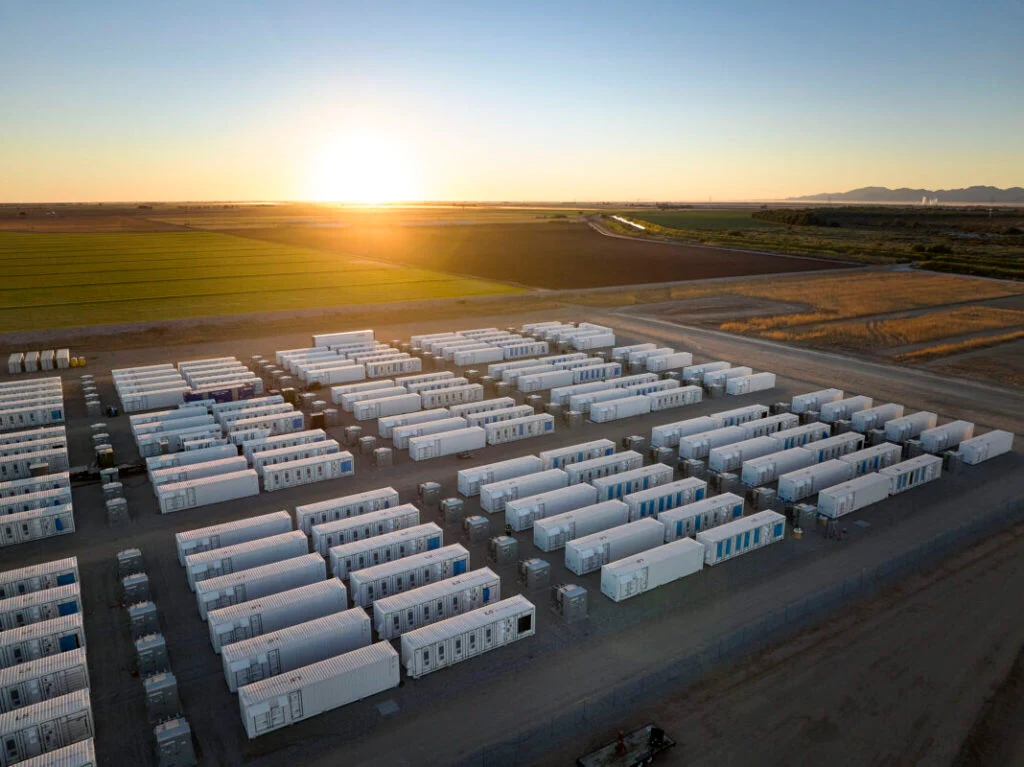
Australia is accelerating its clean-energy transition. Coal plants are retiring, renewables are scaling fast, and federal and state governments are developing policy frameworks that have the potential to significantly increase the deployment of Long Duration Energy Storage (LDES). South Australia has just launched its first Firm Energy Reliability Mechanism auction to procure 700 MW of long-duration “firm” capacity by 2031. In August, New South Wales increased its long-duration storage target to 42 GWh by 2034. And, at the federal level, the government is reviewing reforms to the National Electricity Market (NEM) focused on flexibility of all types and durations.
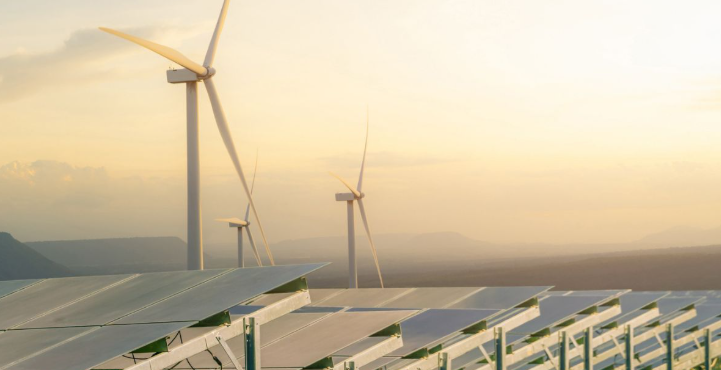
Together, these developments highlight the country’s growing emphasis on delivering a flexible, reliable, clean and affordable energy system. In South Australia — where around 75% of electricity generation already comes from renewables — the auction aims to support one of the world’s most renewables-dense grids, targeting projects with at least 30 MW and eight or more hours of storage to help deliver 100% net renewables by 2027. The tender will seek 700 MW of capacity—400 MW to be operational by November 2028, a further 200 MW by late 2029, and the remaining 100 MW by 2031.
At federal level, the LDES Council welcomes the focus on system flexibility in the NEM review and submitted a response. The LDES Council highlights that the reforms, especially the proposal to underwrite later-year contracts through the Electricity Services Entry Mechanism (ESEM), could help unlock investment in long-duration storage and offer a model for other markets to consider.
In response to the proposals, the LDES Council calls for:
- Rewarding long-duration flexibility: Review market price settings to better reward the value of multi-day and seasonal storage that supports the grid during periods of low renewable output.
- Improving liquidity and access: Introduce a Market-Making Obligation (MMO) and suitable hedging products such as spread contracts and seasonal firming.
- Matching contract terms to LDES lifetimes: Extend ESEM contract tenors beyond 15 years to reflect longer LDES asset lives.
- Aligning grid policy with flexibility: Reward flexible assets for reducing congestion at both transmission and distribution level and prioritise them in the connection queue.
Will Broad, Global Policy & Markets Director at LDES Council, commented: “These proposals could help create a market that drives investment in long-duration storage, strengthening reliability for consumers and positioning Australia as a global clean-energy leader.”
About the Long Duration Energy Storage Council (LDES Council)
The Long Duration Energy Storage Council is a global organisation dedicated to advancing decarbonisation by accelerating the deployment of LDES solutions. The LDES Council provides fact-based guidance on LDES technologies, which include mechanical, thermal, electrochemical, and chemical solutions. With members operating in over 20 countries, the LDES Council is committed to unlocking the full potential of LDES to ensure a resilient, reliable, and secure energy future for all.